
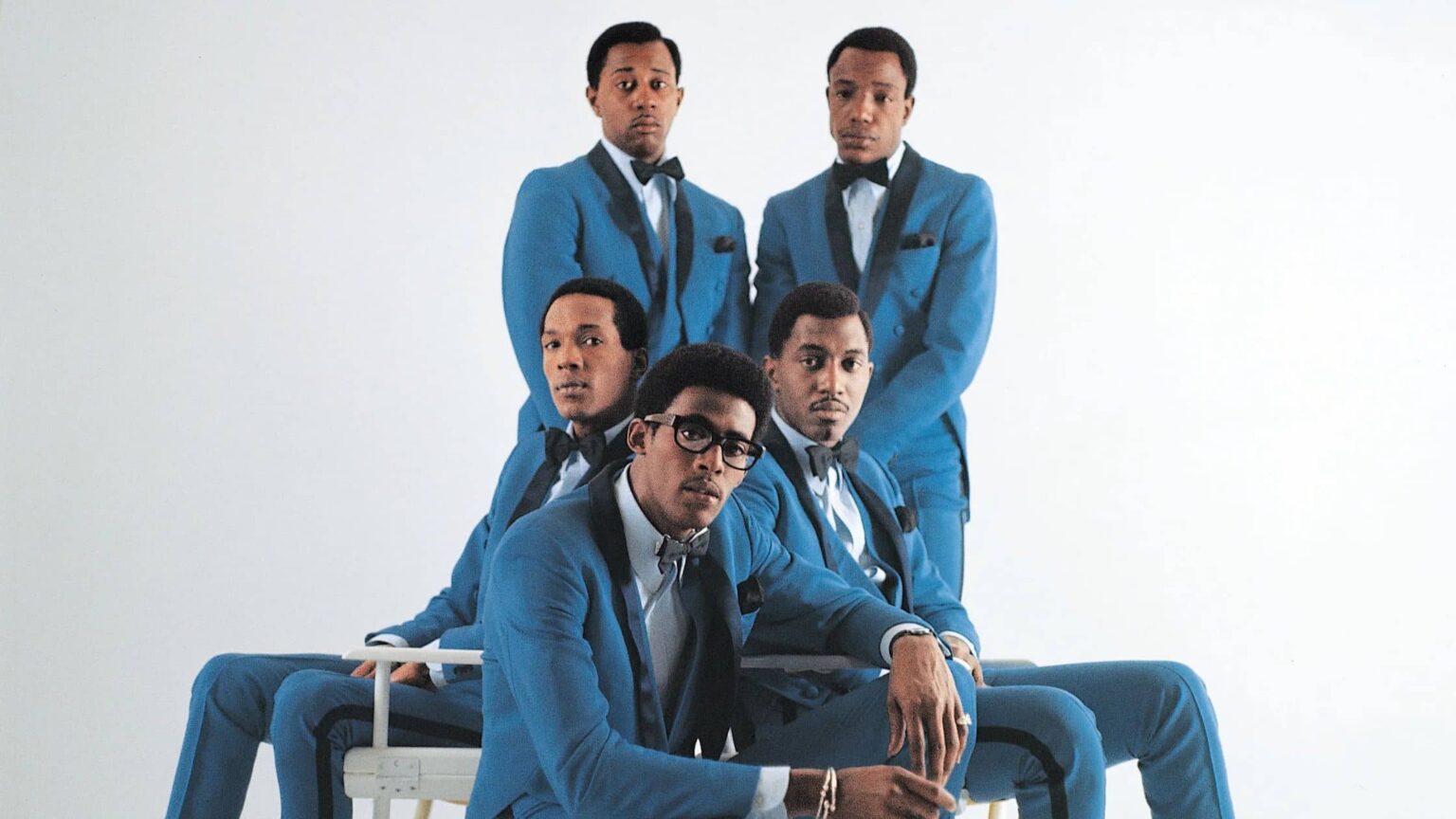

There are vocal groups—and then there are institutions. The Temptations weren’t just hitmakers; they were a moving, breathing embodiment of Black American music as it evolved through the 1960s and early ’70s. They danced like prizefighters, dressed like royalty, and sang like the fate of romance itself was on the line.
If Motown was a well-oiled machine, The Temptations were its most expressive engine—capable of tenderness, protest, seduction, and outright funkified chaos. I’ve seen crowds lose their minds to these songs decades after their release, and that’s the true measure of greatness. These ten records tell that story.
1. “My Girl” (1964)
Every great career has a front door, and “My Girl” is where the world walked in. Smokey Robinson wrote it with the gentlest kind of confidence, and David Ruffin sang it like he’d just discovered love five minutes earlier and needed to tell you immediately.
That bassline—simple, warm, eternal—might be the most welcoming opening note in pop history. “My Girl” wasn’t just a hit; it was a cultural handshake. It crossed racial lines, age gaps, and radio formats, and it still sounds like sunshine breaking through curtains.
2. “Ain’t Too Proud to Beg” (1966)
By ’66, the polish was still there, but the gloves were off. Norman Whitfield pushed The Temptations into grittier territory, and David Ruffin responded with one of the most desperate, thrilling vocal performances of the era.
This wasn’t pretty pleading—it was sweaty, all-or-nothing begging. Onstage, Ruffin would drop to his knees, and audiences believed every word. Soul music stopped pretending it had dignity and admitted it had needs.
3. “Just My Imagination (Running Away with Me)” (1971)
This is the sound of longing with its collar turned up. Eddie Kendricks’ falsetto floats through the song like a private thought you weren’t supposed to hear. No psychedelia, no protest—just a man quietly dreaming himself into heartbreak.
What makes it devastating is the reveal: none of it was real. That twist lands like a sigh you’ve been holding in for years. It was also the end of an era—Kendricks would soon leave the group, and innocence would follow.
4. “Papa Was a Rollin’ Stone” (1972)
Six minutes of atmosphere before the story even begins. That took nerve. Whitfield turned The Temptations into narrators of American dysfunction, backed by wah-wah guitars, echoing drums, and unease you could dance to.
This wasn’t soul music for romance—it was soul music for reckoning. Deadbeat fathers, broken homes, uncomfortable truths. When it won a Grammy, it felt less like a victory lap and more like a warning shot.
5. “I Wish It Would Rain” (1967)
Some songs hurt because they’re beautiful. This one hurts because it’s honest. Roger Penzabene helped write it while his own life was unraveling, and you can hear that weight in every line.
David Ruffin sings like he’s trying not to break in public. The rain isn’t metaphorical—it’s necessary. Few Motown records let sorrow sit so openly, and that bravery gives the song its power.
6. “The Way You Do the Things You Do” (1964)
Before the drama, before the funk, there was charm. This playful, Smokey-penned tune was The Temptations announcing themselves with a wink and a grin.
The call-and-response vocals, the teasing lyrics—it felt like five guys competing to be the smoothest man in the room. In hindsight, it’s the calm before the storm, but what a joyful calm it is.
7. “Get Ready” (1966)
This is pure motion. Eddie Kendricks takes the lead, and the track never stops moving—like a dance floor that refuses to empty.
It didn’t top the charts immediately, but history corrected that. “Get Ready” became a live staple, a reminder that The Temptations weren’t just studio perfectionists—they were road-tested entertainers who knew how to work a crowd.
8. “Ball of Confusion (That’s What the World Is Today)” (1970)
Here’s the sound of America spinning off its axis. Vietnam, racism, politics, paranoia—it’s all here, rattled off like headlines over a relentless groove.
The Temptations didn’t preach; they reported. And that made it hit harder. This was soul music stepping into journalism, and it still feels unsettlingly current.
9. “Cloud Nine” (1968)
Psychedelic soul officially entered the building. “Cloud Nine” was a risk, and it paid off. The song tackled poverty and escape, wrapped in swirling production and shared lead vocals.
It won the group their first Grammy and proved they could evolve without losing themselves. That’s harder than it sounds.
10. “I Can’t Get Next to You” (1969)
A funky paradox—having everything except the one thing that matters. Each member takes a turn on lead, showing off the group’s depth and personality.
It’s playful, clever, and propulsive, and it shot straight to number one. By this point, The Temptations could do just about anything they wanted—and usually did.
Conclusion
The Temptations didn’t just soundtrack an era—they helped explain it. From love songs that felt like handwritten letters to social commentaries that still sting, their catalog is a masterclass in evolution without compromise.
These ten songs aren’t just popular—they’re permanent. They live in weddings, protests, movies, memories, and muscle memory. And long after the lights go down, they keep singing.


