

Introduction
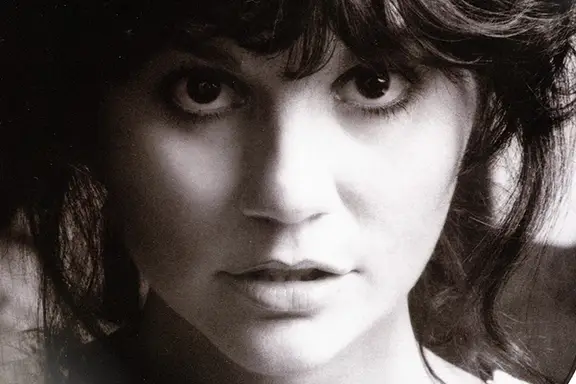
Linda Ronstadt is one of the most versatile and influential American singers of all time, known for her ability to move effortlessly between rock, pop, country, folk, Latin, jazz, and traditional standards. With a career spanning more than five decades, Ronstadt became a defining voice of the 1970s music boom and a trailblazer for women in popular music.
Early Life & Musical Roots (1946–1966)
Linda Ronstadt was born on July 15, 1946, in Tucson, Arizona, into a musically rich family. Her father introduced her to traditional Mexican music and American standards, shaping her eclectic taste.
Inspired by folk and rock artists like Bob Dylan and Joan Baez, Ronstadt moved to Los Angeles in the mid-1960s to pursue music professionally.
The Stone Poneys & Early Career (1967–1970)
Ronstadt first gained national attention as the lead singer of the folk-rock group The Stone Poneys.
Their 1967 hit “Different Drum” showcased her powerful, emotive voice and hinted at her solo potential.
After leaving the band, Ronstadt launched her solo career, releasing several albums that gradually built her reputation as a standout vocalist.
Breakthrough & 1970s Superstardom (1971–1979)
The 1970s marked Ronstadt’s rise to global stardom.
Major Albums & Hits:
- Don’t Cry Now (1973)
- Heart Like a Wheel (1974) — Breakthrough album
- Hits: “You’re No Good,” “When Will I Be Loved”
- Prisoner in Disguise (1975)
- Hasten Down the Wind (1976)
- Simple Dreams (1977) — Featuring “Blue Bayou” and “It’s So Easy”
- Living in the USA (1978)
She became known as:
- The “First Lady of Rock”
- One of the best-selling female artists of the decade
- A pioneer who expanded the commercial power of female rock artists
Ronstadt’s backing band included musicians who later formed the Eagles, connecting her to the rise of West Coast rock.
Expanding Genres & Reinvention (1980s)
Instead of staying in one lane, Ronstadt reinvented herself artistically:
🎼 Jazz & Standards
- What’s New (1983) — Produced by Nelson Riddle, reviving classic American standards
🎶 Operatic & Broadway Influence
- Starred in The Pirates of Penzance, earning a Tony Award nomination
🌎 Latin Music Revival
- Canciones de Mi Padre (1987) — A tribute to Mexican heritage
- Became one of the best-selling non-English albums in U.S. history
Her genre-crossing success reshaped expectations of what mainstream artists could achieve.
1990s Career & Continued Excellence
Ronstadt continued to thrive with:
- Jazz projects
- Duets and collaborations
- Adult contemporary releases
Notable projects included collaborations with Emmylou Harris, Dolly Parton, and Aaron Neville, producing beloved adult-pop hits like “Don’t Know Much.”
Retirement & Health Challenges (2000s–2010s)
In the early 2000s, Ronstadt gradually stepped away from recording and touring.
In 2013, she revealed she had been diagnosed with Parkinson’s disease, which ended her ability to sing publicly.
Despite this, she remained a respected cultural figure, releasing a memoir:
- “Simple Dreams: A Musical Memoir” (2013)
Awards, Honors & Achievements
🏆 Major Honors:
- 11 Grammy Awards
- Rock & Roll Hall of Fame Inductee (2014)
- Kennedy Center Honors (2019)
- National Medal of Arts
- Multiple American Music Awards and Platinum albums
She sold over 100 million records worldwide, making her one of the best-selling female artists ever.
Cultural Impact & Legacy
Linda Ronstadt’s legacy includes:
🎤 Vocal Influence
She set the standard for technical precision, emotional delivery, and genre flexibility.
👩🎤 Empowering Women in Rock
Ronstadt helped open doors for female rock artists, proving women could dominate album sales and arena tours.
🌎 Preserving Musical Heritage
Her Latin and standards albums helped revive traditional music for new generations.
🎵 Artists She Influenced
- Sheryl Crow
- Stevie Nicks
- Carrie Underwood
- Taylor Swift
- Kacey Musgraves
Why Linda Ronstadt Still Matters
Linda Ronstadt is remembered not only as a hitmaker, but as an artist who refused to be boxed in.
Her career stands as a blueprint for artistic freedom, vocal excellence, and cultural respect across genres.
She remains one of the most important voices in American music history.


