
Prince in the 1980s: The Genius Who Outran Time and Rewrote Pop Music
There are stars, and then there are forces of nature.
In the neon blur of the 1980s—when MTV dictated taste and pop music became a global arms race—Prince didn’t just compete. He bent the decade around him.
I remember the first time I heard 1999 loud enough to feel it. It didn’t sound like anything else on the radio. It wasn’t just funk. It wasn’t just rock. It wasn’t even just pop. It was something stranger—tighter, looser, futuristic but somehow raw. It felt like tomorrow breaking through the speakers.
And that was just the beginning.
The Breakthrough: When Prince Took Control
By the time Prince released 1999 in 1982, he wasn’t chasing trends—he was quietly dismantling them.
The album sold over four million copies in the U.S., launching him into the mainstream. But what mattered more was how it sounded. The drum machines snapped with mechanical precision, yet the grooves felt alive. Synths shimmered, guitars screamed, and his voice moved between falsetto and fire.
Then came 1984.
That’s when everything changed.
Purple Rain: The Moment Music Shifted
With Purple Rain, Prince didn’t just release an album—he created a cultural event.
The record sat at No. 1 for 24 consecutive weeks. It sold over 25 million copies worldwide. But numbers don’t explain the phenomenon. You had to be there—or at least close enough to feel the ripple.
Songs like “When Doves Cry” stripped away basslines entirely, daring pop music to survive on tension alone. “Let’s Go Crazy” blurred gospel and rock into something explosive. And the title track? That was something closer to a spiritual release than a song.
For a moment—just a moment—Prince even eclipsed Michael Jackson in cultural gravity.
That wasn’t supposed to happen.
But Prince wasn’t interested in what was supposed to happen.
The Run: Reinvention at Full Speed
Most artists, after achieving something like Purple Rain, would settle into the formula.
Prince tore it up.
Around the World in a Day (1985) arrived like a psychedelic curveball—strange, colorful, and defiantly uncommercial, yet it debuted at No. 1. Then came Parade (1986), a leaner, more cinematic record that felt like it belonged to its own private universe.
And then—almost impossibly—he delivered Sign o’ the Times.
A double album. A risk. A statement.
It tackled everything:
- Racism
- Addiction
- Nuclear anxiety
- Desire and spirituality
And it worked.
Critics called it a masterpiece. Fans bought millions of copies. And somewhere in that sprawl of sound, Prince proved something few artists ever do:
He could be commercial without compromising complexity.
Genre Was Just a Suggestion
Here’s what separated Prince from his peers:
He didn’t recognize musical boundaries.
On any given album, you’d hear:
- Funk grooves rooted in James Brown
- Guitar work echoing Jimi Hendrix
- Psychedelia, pop, soul, rock, and something entirely his own
He used the Linn drum machine not as a shortcut, but as an instrument. Those beats—sharp, minimal, unmistakable—became part of his signature.
And then there was his voice.
It could whisper. It could seduce. It could scream.
Sometimes all in the same song.
More Than Music: A Cultural Shift
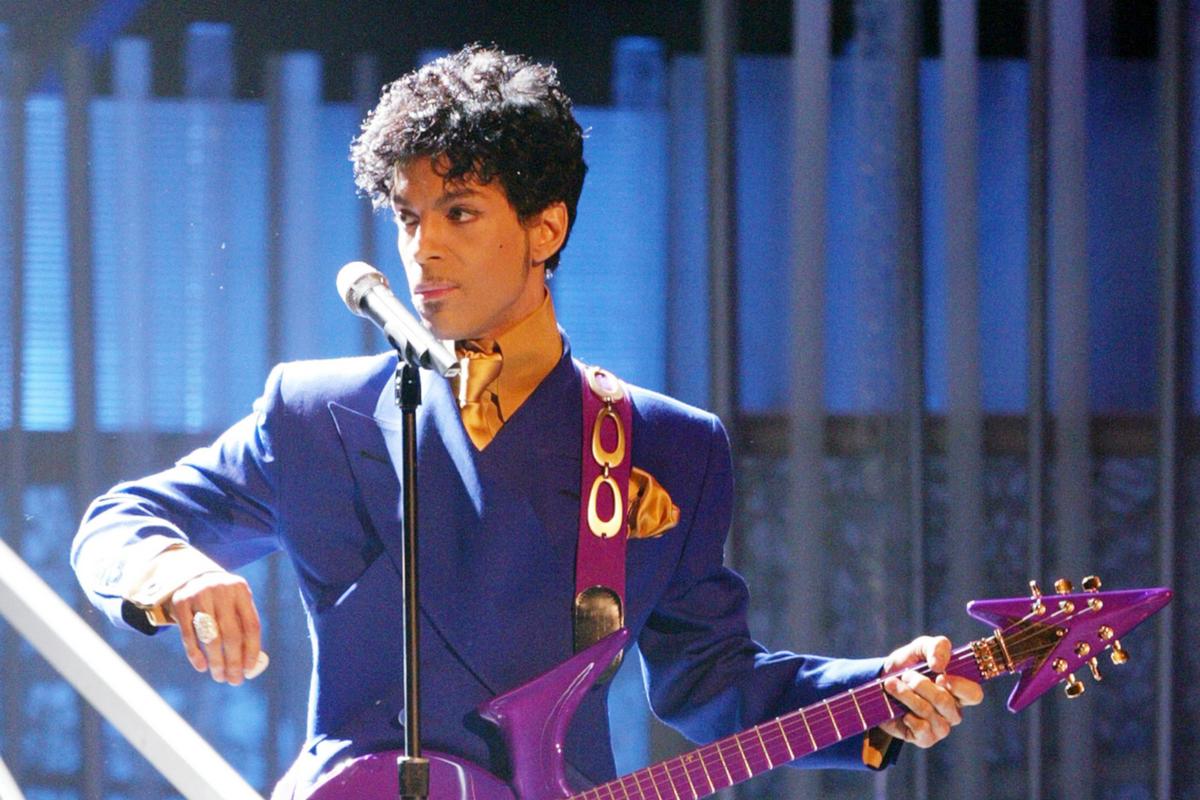
Prince didn’t just sound different—he looked different.
In an era obsessed with image, he created one that refused definition:
- Lace and leather
- Heels and guitars
- Masculinity and androgyny intertwined
He challenged what a Black male artist could be in mainstream culture. He challenged what a pop star could say. And he did it without apology.
Artists like D’Angelo and The Weeknd didn’t just inherit his sound—they inherited his permission.
The Competition—and Why He Outlasted It
The 1980s were crowded with giants:
- Madonna redefining pop stardom
- Bruce Springsteen telling working-class stories
- Rock bands filling stadiums coast to coast
Prince stood alongside them—and somehow outside of them.
He matched their sales. Sometimes exceeded them.
But more importantly, he avoided becoming trapped in the decade’s aesthetic.
Where others sound like the 80s…
Prince sounds like himself.
That’s the difference.
The Influence That Never Left
Listen closely to modern music and you’ll hear Prince everywhere.
- The funk-pop precision of Bruno Mars
- The genre fusion of Anderson .Paak
- The guitar-driven swagger of Lenny Kravitz
It all traces back to that 1980s blueprint.
His songs are sampled. Covered. Reimagined.
Not as nostalgia—but as foundation.
Why Prince Still Sounds Modern
The reason Prince’s 1980s catalog endures is simple:
He didn’t build it on trends.
He built it on:
- Musical curiosity
- Technical mastery
- Emotional honesty
While synth-pop and hair metal often feel locked in their time, Prince’s work moves freely between eras.
1999 still feels futuristic.
Sign o’ the Times still feels urgent.
That’s not luck.
That’s design.
Final Thoughts: The Unfading Purple
Prince’s 1980s run wasn’t just successful—it was unrepeatable.
Five landmark albums. Millions of records sold. A cultural footprint that still shapes music today.
But the real achievement?
He made it all feel personal.
Like he wasn’t performing for the world—
he was inviting you into it.
And decades later, that world is still spinning.
Still influencing.
Still inspiring.
Still—unmistakably—purple.
Frequently Asked Questions
Why was Prince so successful in the 1980s?
Because he combined commercial appeal with artistic innovation, creating music that was both accessible and groundbreaking.
What made Purple Rain so impactful?
It blended music, film, and image into one cohesive cultural moment, producing massive sales and lasting influence.
How did Prince’s music outlast 80s trends?
He focused on timeless influences and musical depth rather than following popular styles, keeping his sound relevant decades later.
Who compares to Prince’s 1980s run?
Michael Jackson comes closest in scale, but Prince stands apart for his creative control and genre-defying output.