

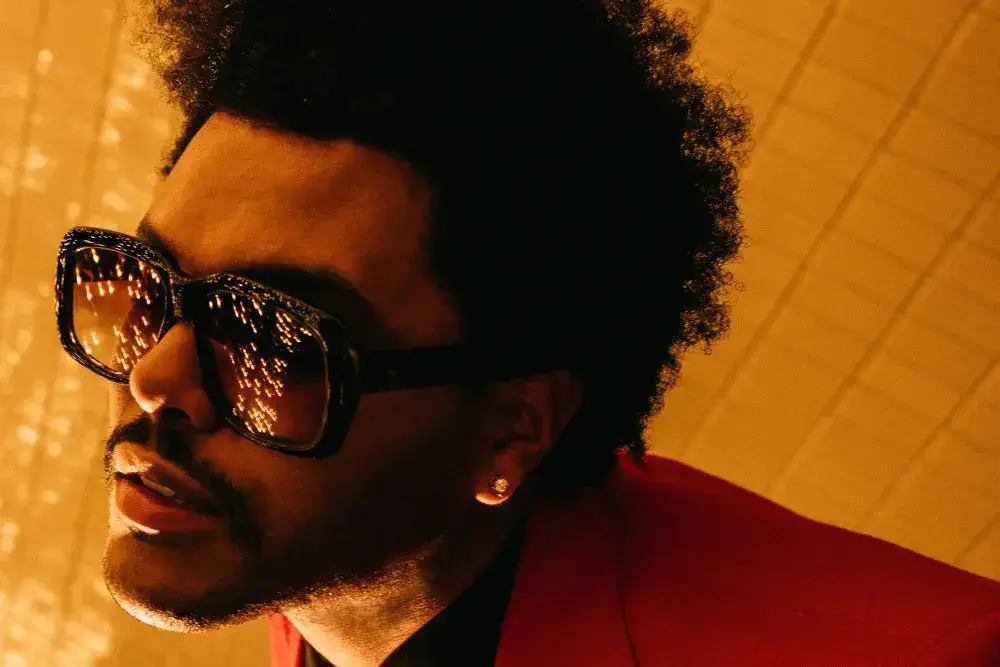

There’s a particular glow that only exists in the memory of the 1980s. It flickers in neon lights reflecting off rain-slicked city streets, hums through synthesizers that sounded like they were broadcasting signals from the future, and pulses in drum machines that defined a decade of musical reinvention. For years, that sound sat comfortably in the nostalgic corner of pop history — beloved, respected, but largely confined to retro playlists and classic radio.
Then along came The Weeknd, and suddenly those neon echoes weren’t nostalgia anymore. They were the soundtrack of modern pop culture.
When Abel Tesfaye released Blinding Lights, he didn’t just create a hit song. He lit up an entire musical era and reminded listeners that the emotional and sonic architecture of 80s synth-driven pop still holds extraordinary power.
The Sound of the Future… Reimagined
Synthwave as a genre is rooted in the electronic experimentation of the late 1970s and 1980s. Artists like Depeche Mode, A-ha, Duran Duran, and Michael Jackson helped pioneer the fusion of electronic instrumentation with mainstream pop songwriting. Their music introduced shimmering keyboard lines, pulsing bass synthesizers, and cinematic production that felt both futuristic and emotionally immediate.
The Weeknd tapped into that sonic language with remarkable precision. Blinding Lights carries the unmistakable DNA of 80s synth pop, from its driving electronic rhythm to its soaring melodic hooks. Yet it never feels like a copy or imitation. Instead, it feels like a continuation — a modern chapter in an ongoing musical story.
That balance between reverence and reinvention is what separates nostalgia from cultural evolution.
Blinding Lights: The Song That Reset the Clock
The first time many listeners heard Blinding Lights, it felt oddly familiar, like rediscovering a beloved record buried in an old cassette collection. The song’s opening synth riff bursts forward with kinetic energy, immediately evoking memories of late-night drives and cinematic cityscapes.
The track’s production intentionally embraces vintage techniques. The drum programming mimics the punchy mechanical rhythms of classic drum machines, while the layered synthesizers build an atmospheric soundscape reminiscent of legendary 80s producers. Yet the vocal performance remains unmistakably modern, blending contemporary R&B phrasing with pop accessibility.
That fusion helped Blinding Lights transcend generational boundaries. Older listeners heard echoes of their youth. Younger audiences experienced the sound as something entirely fresh.
Why The 80s Sound Resonates Again
Every musical generation eventually circles back to rediscover earlier artistic movements. The 1980s represented a moment when technology dramatically reshaped music production. Synthesizers and digital recording techniques allowed artists to create expansive sonic textures that had never been possible before.
Today’s listeners, surrounded by highly polished digital music, often crave sounds that feel emotionally raw and sonically distinctive. The analog warmth and melodic clarity of 80s pop provide exactly that.
The Weeknd recognized this emotional pull. By incorporating retro sonic elements into his music, he created songs that feel timeless rather than tied to a specific decade.
The Visual Aesthetic That Completed the Experience
Music in the 1980s was never just about sound. It was about spectacle. The rise of MTV transformed pop into a visual art form, blending fashion, cinematography, and storytelling into a unified cultural experience.
The Weeknd embraced that philosophy fully during the After Hours era. His music videos, stage performances, and album visuals mirrored the cinematic storytelling style that defined 80s pop culture. Neon lighting, stylized violence, surreal narratives, and retro fashion elements helped reinforce the sonic nostalgia embedded in his music.
This commitment to aesthetic authenticity transformed Blinding Lights from a hit single into a cultural moment.
Modern Production Meets Vintage Inspiration
While The Weeknd draws heavily from 80s musical influences, his production remains firmly rooted in contemporary technology. Modern recording software allows producers to replicate vintage synthesizer tones while enhancing clarity, depth, and dynamic range.
This combination creates a hybrid sound that appeals to both nostalgic listeners and modern streaming audiences. The result feels familiar but sonically polished for today’s digital listening environments.
Collaborating with producers who understand both vintage analog techniques and modern digital production has allowed The Weeknd to maintain this delicate balance throughout his career.
The Broader Revival of Synthwave in Pop Culture
The Weeknd’s success reflects a broader resurgence of synthwave across entertainment media. Film soundtracks, video game scores, and streaming series increasingly incorporate retro electronic music to evoke atmosphere and emotion.
This cultural revival extends beyond sound. Retro color palettes, vintage typography, and analog visual effects have become defining elements of modern creative design. The popularity of these aesthetics reinforces the emotional connection listeners feel toward synth-driven music.
In many ways, The Weeknd didn’t start the revival — he amplified it and brought it into mainstream pop consciousness.
Influencing a New Generation of Artists
The impact of The Weeknd’s retro-inspired sound extends far beyond his own catalog. Numerous contemporary artists now incorporate synthwave elements into their music, recognizing the genre’s ability to create emotional resonance and broad audience appeal.
Pop, R&B, and electronic musicians increasingly experiment with vintage synthesizer textures, atmospheric production, and cinematic storytelling techniques. This trend reflects a growing appreciation for the artistic innovation that defined earlier decades of music history.
Why Blending Old and New Works So Well
Music thrives on reinvention. Every generation builds upon the sonic foundations established by previous artists. The Weeknd’s music demonstrates how revisiting older musical styles can lead to fresh creative breakthroughs.
By blending vintage instrumentation with modern lyrical themes and production techniques, he creates music that feels simultaneously nostalgic and forward-thinking. This duality allows his songs to resonate with diverse audiences across age groups and cultural backgrounds.
The Emotional Power of Synth-Driven Pop
Beyond its technical brilliance, synthwave music carries a unique emotional quality. The expansive soundscapes and melodic intensity of 80s electronic pop often evoke feelings of longing, romance, and cinematic drama.
The Weeknd harnesses these emotional qualities masterfully. His songwriting frequently explores themes of love, isolation, excess, and redemption — subjects that align perfectly with the dramatic musical backdrop of synth-driven production.
This emotional synergy between sound and storytelling helps explain why songs like Blinding Lights create such lasting cultural impact.
The Legacy of Retro Reinvention
The Weeknd’s embrace of 80s musical aesthetics demonstrates how popular music constantly evolves by revisiting its past. Rather than fading into history, influential musical eras continue shaping modern creative expression.
Synthwave, once considered a niche retro genre, now stands as a dominant force in contemporary pop production. The Weeknd’s success proves that timeless musical elements can be reinterpreted for new audiences without losing their original emotional power.
Final Encore
Watching The Weeknd perform under blazing stage lights, surrounded by neon visuals and thunderous electronic rhythms, feels like witnessing a time machine fueled by sound. The music carries the spirit of past decades while projecting confidently into the future.
Great music never belongs to a single era. It travels, transforms, and reintroduces itself to each new generation in unexpected ways. The Weeknd didn’t just revive the 80s synthwave sound. He reminded the world that musical history is never truly behind us.
Sometimes, all it takes is the right voice, the right beat, and the right moment to make yesterday’s sound feel like tomorrow’s anthem.


![The Studio Wizards: How [Producer/Engineer] Crafted the Signature Sound of the 1970s.](https://i3.wp.com/cdn.pixabay.com/photo/2018/06/13/08/01/music-3472184_960_720.jpg?w=300&resize=300,150&ssl=1 "The Studio Wizards: How [Producer/Engineer] Crafted the Signature Sound of the 1970s.")

![Before They Were Stadium Rocks Stars: The Early Gigs and Struggles of [Band].](https://i2.wp.com/cdn.pixabay.com/photo/2017/07/05/04/00/battery-2473407_960_720.jpg?w=300&resize=300,150&ssl=1 "Before They Were Stadium Rocks Stars: The Early Gigs and Struggles of [Band].")
