

The Synthetic Revolution: Machines Take the Mic
By the late 1970s, popular music felt predictably guitar-driven. Arena rock, punk’s raw anger, and disco’s orchestral sweep dominated the airwaves, often leaving little room for innovation within the mainstream pop structure. Enter the synthesizer—once a complex, room-filling studio instrument reserved for avant-garde composers and progressive rock eccentrics. The late 1970s and early 1980s witnessed a tectonic shift as affordable, portable keyboards like the Roland Jupiter-8, Yamaha DX7, and Korg MS-20 entered the hands of a new generation of musicians. This wasn’t just a new sound; it was a new philosophy. Synth-pop stripped music down to its essence: melody, rhythm, and atmosphere, unburdened by traditional band lineups. It democratized music production, allowing a duo in a bedroom to conceive a sound as vast and futuristic as anything recorded in a lavish studio.
Redefining the Hit Factory: Melody Goes Digital
The core innovation of synth-pop was its elevation of the synthesizer from a textural addition to the primary melodic and harmonic vehicle. Where guitar riffs once ruled, now crisp, sequenced arpeggios and soaring lead lines took center stage. This shift had profound consequences. First, it made pop hooks more immediate and memorable. The simple, relentless melody of “Sweet Dreams (Are Made of This)” by the Eurythmics or the sparkling cascade of notes in Depeche Mode’s “Just Can’t Get Enough” were irrepressible, built on synthetic foundations. Second, it changed the role of the producer. Figures like Trevor Horn (The Buggles, Yes, Frankie Goes to Hollywood), Mutt Lange, and later, the team of Stock Aitken Waterman, became architects of sound, building tracks where the synth bassline (“Blue Monday” by New Order) or the drum machine pattern (“Voices Carry” by ’Til Tuesday) was as iconic as the vocal melody.
Furthermore, the synthesizer allowed for a fascinating tension between cold, mechanical precision and warm, human emotion. The rigid, sequenced rhythms provided a hypnotic, danceable foundation, against which vulnerable, often plaintive human vocals could contrast dramatically. This dichotomy—the machine and the heart—became the genre’s emotional signature. It spoke directly to an era fascinated by technology, anxiety about the future, and a desire for both escapism and genuine connection.
Cultural Ripples: Fashion, Video, and a New Global Sound
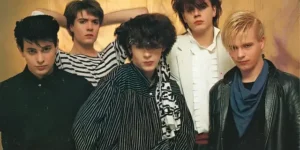
Synth-pop’s influence immediately spilled beyond the audio spectrum. The sterile, futuristic, or often dramatically stylized sound demanded a visual counterpart. This catalyzed the marriage of pop music and MTV, which launched in 1981. Artists like Duran Duran, with their cinematic, glamorous videos; Madonna, who used synthetic beats to craft a persona of sexual reinvention; and the stark, androgynous imagery of acts like Visage and Eurythmics became video icons. The genre’s aesthetic—sharp suits, geometric haircuts, lots of black and white, and later, the flamboyant “New Romantic” extravagance—became a global fashion statement. It was a complete package: a sound, a look, and a vibe that defined the decade’s zeitgeist.
Geographically, synth-pop shattered American and British hegemony. It was a truly global sound. From the Netherlands (Vengaboys’ precursors like Twenty 4 Seven), to Germany (the robotic krautrock-influenced pulses of Kraftwerk, who were godfathers to the genre), to Canada (Martha and the Muffins’ “Echo Beach”), the synthesizer was the common language. In Japan, Yellow Magic Orchestra pioneered electronic pop, influencing everyone from Aphex Twin to contemporary K-pop. This universality proved that compelling pop music no longer required a specific regional guitar tradition; it could be built from universal electronic building blocks.
The Legacy: How the 80s Blueprint Still Courses Through Pop
While the pure, “pure” synth-pop of the early 80s eventually gave way to guitar rock revivals and club-focused house music, its DNA proved indestructible. The 1990s saw its return through the trip-hop melancholy of Portishead (using samples and vintage synths) and the emotive, glitchy electronica of The Postal Service. The 2000s ushered in a full-blown revival with artists like The Killers and their blend of synth-rock anthems, and the icy, minimalist pop of Lady Gaga’s The Fame era, which was steeped in 80s references. Today, the sonic template of synth-pop is ubiquitous. The shimmering, side-chained-compressed synth pads of contemporary R&B and hip-hop, the hyper-pop maximalism of artists like Charli XCX, and even the production of global superstars like The Weeknd and Dua Lipa rely on the same foundational principles established in the 1980s: a powerful, synthetic beat, a massive melodic hook, and an aura of stylish, technological cool.
Synth-pop didn’t just save pop music from stagnation; it provided its most enduring and adaptable toolkit. It proved that technology, when wielded with melodic genius and human feeling, could create some of the most timeless, joyful, and emotionally resonant popular music ever made.
Conclusion
Synth-pop’s conquest of the 1980s was no accident. It was the perfect storm of accessible technology, visionary artists, and a culture ready for a sonic and visual revolution. By prioritizing melody, rhythm, and atmosphere over traditional rock instrumentation, it created a more democratic, immediate, and globally unifying form of pop. It saved the genre from creative exhaustion, infused it with a futuristic spirit, and provided a sonic blueprint so potent that it continues to be recombined and reimagined by hitmakers today. The machines didn’t replace the human heart; they gave it a new, brighter, and endlessly compelling stage upon which to sing.
Frequently Asked Questions (FAQs)
- What exactly defines synth-pop?
- Synth-pop is a subgenre of new wave and pop music where the synthesizer is the dominant melodic and rhythmic instrument, often replacing traditional guitars and bass. It typically features electronic drum machines, sequenced patterns, and a focus on catchy, often melancholic or euphoric vocal melodies.
- Was Kraftwerk considered synth-pop?
- Kraftwerk, the German pioneers from the 1970s, are widely regarded as the crucial godfathers and primary influence on synth-pop. Their robotic aesthetic, use of sequencers, and minimalist melodies directly inspired the first wave of 1980s synth-pop artists in the UK and beyond. However, their earlier work is often classified as krautrock or electronic avant-garde, while their late-70s/early-80s albums like The Man-Machine are the blueprint for the genre.
- Why did pure synth-pop decline in popularity in the late 1980s?
- Several factors contributed. The initial “newness” wore off, and a backlash against its perceived coldness and lack of authenticity grew. Guitar-driven rock (from U2 to Guns N’ Roses) and the rise of dance music genres like house and techno, which used synths for different purposes, captured the mainstream. Additionally, many synth-pop acts struggled to evolve their sound, leading to commercial decline.
- Is synth-pop still relevant today?
- Absolutely. Its influence is pervasive in modern pop, electronic, and indie music. Artists like The Weeknd, Dua Lipa, M83, CHVRCHES, and the entire hyper-pop movement directly channel 80s synth-pop aesthetics. The core principles—huge synth hooks, electronic beats, and a blend of human and machine—are now a permanent part of pop music’s vocabulary.
- What are the quintessential synth-pop tracks to start with?
- Key tracks include: “Sweet Dreams (Are Made of This)” – Eurythmics, “Don’t You Want Me” – The Human League, “Blue Monday” – New Order, “Just Can’t Get Enough” – Depeche Mode, “Relax” – Frankie Goes to Hollywood, “Take On Me” – a-ha, “Cars” – Gary Numan, and “Bedsitter” – Soft Cell. These songs showcase the genre’s diversity, from dark and moody to brightly euphoric.

![Before They Were Stadium Rocks Stars: The Early Gigs and Struggles of [Band].](https://i2.wp.com/cdn.pixabay.com/photo/2017/07/05/04/00/battery-2473407_960_720.jpg?w=300&resize=300,150&ssl=1 "Before They Were Stadium Rocks Stars: The Early Gigs and Struggles of [Band].")