

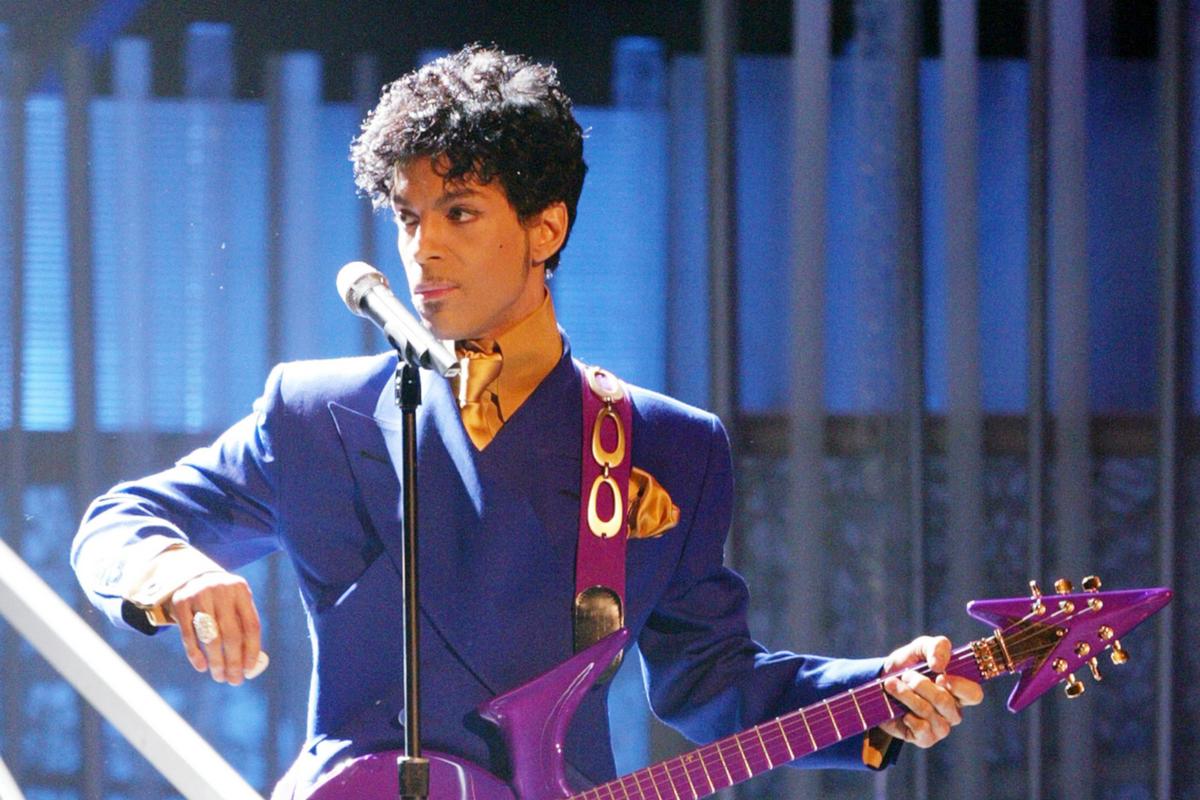

In the landscape of 1980s popular music, a period defined by colossal icons, MTV-manufactured stars, and genre-specific domination, one artist operated on a different plane. Prince wasn’t just a participant in the decade’s cultural explosion; he was its most brilliant, mercurial, and commercially potent architect. His string of 1980s albums — from 1999 (1982) through Sign o’ the Times (1987) — represents a singular creative peak where avant-garde artistry met blockbuster commercial success in a way that has never been replicated. These records didn’t just outsell the competition; they redefined what a pop album could be, ensuring their legacy would far outlast the trends and peers of their era.
The Commercial Juggernaut: Numbers That Defined an Era
To understand the sheer scale of Prince’s 1980s dominance, one must first look at the sales charts. 1999, his fifth album, was the commercial breakthrough, selling over 4 million copies in the U.S. alone and spawning three Top 10 hits. It announced Prince as a mainstream force, but it was merely a prelude.
Then came Purple Rain (1984). More than an album, it was a multimedia event. The soundtrack to his film debut, it became a cultural reset button. It spent 24 consecutive weeks at #1 on the Billboard 200, eventually selling over 25 million copies worldwide. Its six singles, including “When Doves Cry” and “Let’s Go Crazy,” demonstrated a mastery of pop, rock, funk, and orchestral balladry. In 1984, Purple Rain didn’t just outsell every other album; it culturally overshadowed Michael Jackson’s Thriller (1982) in the moment, a nearly impossible feat. It was the year of Prince.
He wasn’t satisfied. He followed this with the double-album Around the World in a Day (1985), which debuted at #1 and went multi-platinum, and the band-centric masterpiece Parade (1986). But the true testament to his restless genius was Sign o’ the Times (1987). A sprawling, personal double album that tackled racism, poverty, nuclear dread, and eroticism with equal depth, it was a critical darling that also sold over 5 million copies. In a single decade, Prince delivered four consecutive multi-platinum, #1 albums. No other artist, not Madonna, not Bruce Springsteen, and certainly not the legions of one-hit wonders, produced a body of work with that combination of critical acclaim, commercial avalanche, and consistent artistic evolution.
Outlasting Through Artistic Alchemy
Sales figures tell part of the story, but they fade. What allows Prince’s 1980s work to outlast nearly everything from the period is its foundational artistic audacity. He operated with a “genre obliteration” philosophy. On a single album, you’d find Minneapolis funk (“Controversy”), psychedelic rock (“Baby I’m a Star”), synth-pop balladry (“International Lover”), and political dub (“Sign o’ the Times”). He used technology as an instrument, not a crutch, with drum machines like the Linn LM-1 creating iconic, organic-sounding grooves that were instantly recognizable.
His lyrical themes were equally expansive. While contemporaries often stuck to love or rebellion, Prince explored sexuality with unapologetic, gender-bending detail (“Darling Nikki”), spiritual yearning, social commentary, and surreal narrative. He played every instrument on most records, sang in a multi-octave range that moved from whispery falsetto to raw rock scream, and produced with an uncanny ear for both pristine clarity and gritty warmth. This total artistic control meant there was no “Prince sound” — there was only the sound Prince wanted at that moment. That constant internal evolution prevents his work from sounding dated. 1999 feels futuristic; Sign o’ the Times feels timelessly urgent.
The Cultural Osmosphere: More Than Music
Prince’s 1980s reign extended far beyond records sold. He was a visual icon. The Purple Rain era defined a look: the waist-length curly hair, the ruffled shirts, the purple motorcycles, and of course, the color purple itself. He challenged norms of Black masculinity and sexuality in mainstream media, presenting an androgynous, sexually fluid figure with a confidence that was revolutionary for the time. His stage presence was legendary — a whirlwind of guitar solos, dance moves, and sheer charisma that set a template for performers from D’Angelo to The Weeknd.
Furthermore, he was a pioneer in artist-label battles, famously changing his name to an unpronounceable symbol in the 1990s to fight for ownership of his masters. This fight for creative and economic control inspired generations of artists. The 1980s Prince wasn’t just a musician; he was a total artist, a brand, and a symbol of defiant self-possession. This cultural penetration means his imagery and attitude are constantly referenced, ensuring his presence in the public consciousness long after the tour buses of his peers have left the road.
Outselling and Outlasting the Competition
Who did he outsell? Practically every major act of the decade during his peak years. He went toe-to-toe with Michael Jackson and consistently held his own in global sales, especially outside the U.S. He surpassed Madonna in album-sales density during this period, as she was finding her footing. He left the legions of rock bands from U2 to Guns N’ Roses in the dust on the R&B and pop charts, despite often using rock as a primary weapon.
How has he outlasted them? Listen to contemporary music. The influence is inescapable. The genre-blending ofartists like Bruno Mars and Anderson .Paak, the psychedelic soul of D’Angelo, the guitar-hero swagger of Lenny Kravitz, the production techniques in modern R&B and hip-hop — all trace back to Prince’s 1980s blueprint. His songs are constantly sampled, covered, and re-contextualized. Meanwhile, many of his contemporaries’ biggest hits from the 80s are now fondly remembered as brilliant period pieces or, worse, guilty pleasures. Prince’s best work from the era feels like it could have been recorded yesterday, because its influences became the foundation of so much that came after. His albums are studied in musicology courses for their compositional complexity, not just their hit singles.
Conclusion: The Unfading Purple
Prince’s 1980s run is a historic anomaly. It was a perfect storm of unabated creativity, crystalline pop intuition, and savvy (if contentious) business awareness. He produced a catalog of work so dense with hits, deep cuts, and artistic risks that it became its own ecosystem. While others chased trends, Prince invented and abandoned them at will, all while topping the charts. The “Prince sound” of the 80s isn’t a relic; it’s a living language. His records from this decade continue to sell, stream, and inspire because they were built on a foundation of fearless authenticity and musical omnivorousness. He didn’t just own the 1980s; he built a palace in the cultural imagination that remains fully occupied, vibrantly purple, and eternally reign-ing.
Frequently Asked Questions
Why was the 1980s Prince’s most commercially successful decade?
This period saw him perfectly align his maximalist, genre-defying artistry with the global reach of MTV and the polished production of the era. Albums like 1999, Purple Rain, and Sign o’ the Times contained an unprecedented concentration of hit singles while maintaining deep, album-oriented listening experiences, capturing both casual fans and dedicated listeners.
What made Purple Rain so much bigger than other hit albums?
Purple Rain was a synergistic phenomenon: a blockbuster film, a historic tour (documented in the film), and an album that synthesized all of Prince’s styles into an accessible yet profound narrative about an artist’s struggle. Its raw emotion, iconic songs, and visual spectacle created a cultural moment that felt bigger than music itself.
How did Prince’s music outlast synth-pop and hair metal trends from the 80s?
He used synthesizers and drum machines as tools to create unique, enduring grooves (like the Linn drum sound on “When Doves Cry”), not as stylistic crutches. His core influences were James Brown, Jimi Hendrix, and Sly Stone — timeless sources. His focus on live performance, organic funk, and lyrical depth gave his music a humanity and complexity that dated far less than the era’s more fleeting fashions.
Did any other artist have a comparable 1980s run?
Michael Jackson’s run from Off the Wall (1979) to Bad (1987) is the closest parallel in terms of chart dominance and cultural impact. However, Prince’s run is distinguished by its sheer density and variety of output (five seminal albums in six years) and the fact that he wrote, produced, and played nearly all the instruments himself, resulting in a more cohesive and personal artistic vision.


![Why Gen Z is Obsessed with 1970s [Genre: Funk/Soul/Disco/Glam Rock].](https://i3.wp.com/cdn.pixabay.com/photo/2017/07/27/12/40/sommerfest-2545191_960_720.jpg?w=300&resize=300,150&ssl=1 "Why Gen Z is Obsessed with 1970s [Genre: Funk/Soul/Disco/Glam Rock].")

